



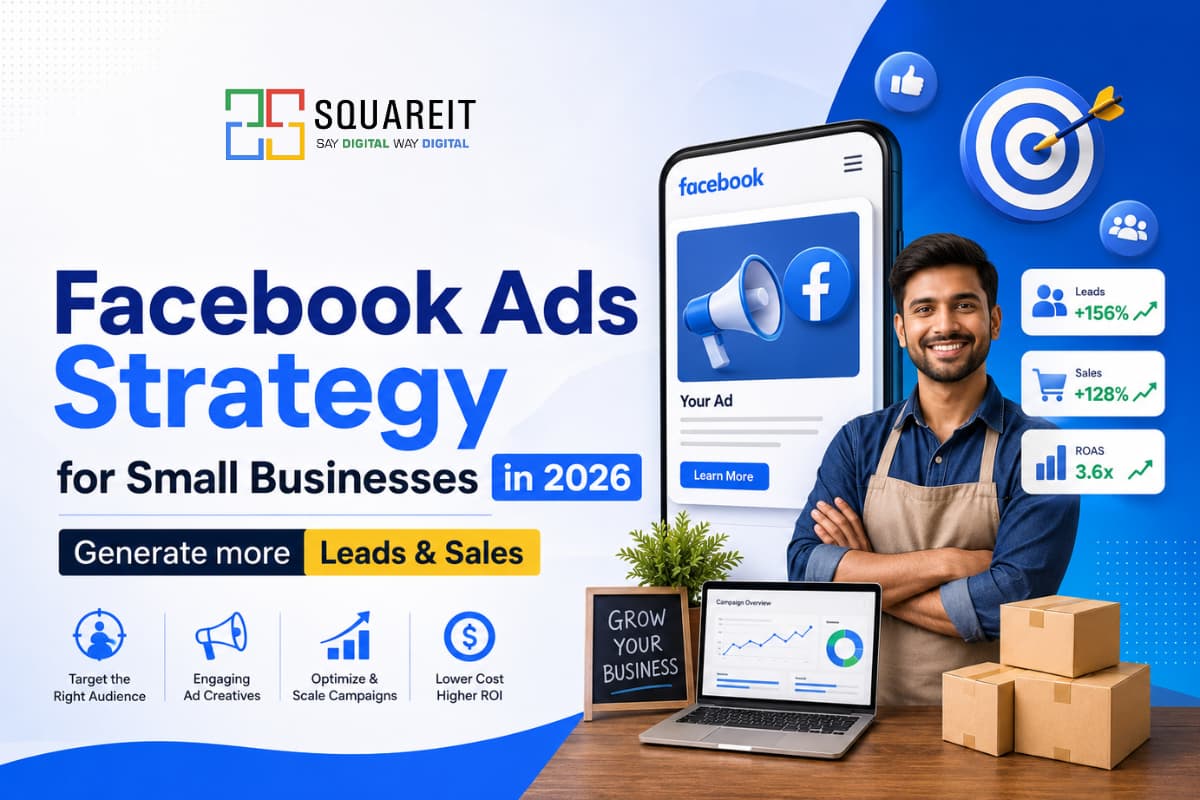
Facebook Ads, now officially known as Meta Ads, is still one of the strongest tools available for digital marketing today. Even with all the new platforms coming and going — Instagram Reels, YouTube Shorts, TikTok — Meta’s ad system remains one of the most reliable ways for small businesses to get attention, leads, and actual paying customers.
The reason is simple: people are already there. Your customers are scrolling Facebook and Instagram every single day. The opportunity is not about whether the audience exists — it’s about whether your ads are actually good enough to stop them.
That’s where things usually go wrong.
Most small businesses don’t fail because Meta Ads don’t work. They fail because they treat ads like a quick experiment instead of building a proper system around them. They boost a post, spend a little money, don’t see instant results, and assume the platform is the problem.
In reality, Meta Ads works extremely well — but only when you understand how to structure it properly.
The First Shift: Stop Thinking Like You’re Gambling
One of the biggest mindset mistakes business owners make is treating ads like a lottery ticket. You put money in, cross your fingers, and hope something works.
That approach almost always leads to frustration.
Instead, think of Meta Ads as a system — not a gamble. A system where every part has a role: the audience, the creative, the landing page, and the follow-up.
When everything is connected properly, the platform becomes predictable. Not perfect, but predictable enough to scale.
And that’s really what small businesses need — consistency, not luck.
Why Most Campaigns Fail Before They Even Start
A lot of people jump straight into running ads without setting things up correctly. They skip the basics and then wonder why nothing is tracking properly or why results look random.
One of the most important things you can do before spending even a small amount is setting up proper tracking.
This usually includes the Meta Pixel and the Conversions API.
Now, to keep it simple:
- The Meta Pixel tracks what users do on your website through their browser.
- The Conversions API sends data directly from your server to Meta.
Why does this matter? Because modern privacy restrictions, cookie limitations, and ad blockers often stop the Pixel from capturing everything. So if you’re only relying on Pixel data, you’re probably missing a big chunk of what’s actually happening.
And when your data is incomplete, Meta’s algorithm also becomes less effective. It can’t optimize properly because it doesn’t fully understand who your real customers are.
So yes, tracking setup might not feel exciting — but it’s honestly one of the most important foundations of your entire ad strategy.
Understanding the Funnel (Most People Skip This)

Another common mistake is trying to sell immediately to cold audiences.
Think about your own behavior for a second. The first time you see a brand, do you usually buy right away? Most people don’t. They scroll, observe, maybe click, and leave.
That’s why the funnel exists.
A simple way to think about it:
1. Awareness Stage (Top of Funnel)
This is where people are just discovering you. They don’t know your brand yet.
At this stage, don’t try to sell aggressively. Instead, focus on:
- Educational content
- Simple storytelling
- Relatable problems your product solves
Your job here is just to get attention.
2. Consideration Stage (Middle of Funnel)
Now people know you exist. They might have visited your page, watched your video, or engaged with your content.
This is where you build trust.
You can show:
- Customer reviews
- Before-and-after results
- Product explanations
- Behind-the-scenes content
The goal is simple: convince them you’re worth considering.
3. Conversion Stage (Bottom of Funnel)
This is where you actually ask for the sale.
At this point, people already know who you are. They just need a push.
You can use:
- Limited-time discounts
- Strong offers
- Free consultations
- Clear calls-to-action
This structure alone can completely change how your ads perform.
Retargeting: The Part Everyone Underestimates

If there’s one part of Meta Ads that quietly makes the most money, it’s retargeting.
Retargeting simply means showing ads again to people who already interacted with you.
These are people who:
- Visited your website
- Watched your videos
- Clicked your ads
- Added something to cart but didn’t buy
And here’s the key point — they are already warm.
You’re not convincing a stranger anymore. You’re reminding someone who already showed interest.
That’s why retargeting campaigns usually have:
- Lower cost per click
- Higher conversion rates
- Better return on ad spend
A lot of businesses actually make more profit from retargeting than from cold traffic. But surprisingly, many small businesses ignore it completely.
Local Businesses Don’t Need Everyone — Just the Right Area
If you run a local business — like a clinic, salon, repair service, restaurant, or boutique — you don’t need to target a massive audience.
You just need people nearby.
Meta allows you to target very specific locations, sometimes even within a few kilometers. That means your ads can literally reach people who are physically close enough to walk into your store.
But here’s where people go wrong again — they still target too broadly. They add huge interests, wide demographics, and end up wasting money on people who will never become customers.
A better approach is simple:
- Tight location targeting
- Clear offer
- Strong local relevance
When these three things align, local ads can perform extremely well even on small budgets.
Lead Ads Make Things Much Easier Than Websites
A lot of businesses send traffic to websites to collect leads. That sounds good in theory, but in reality, it creates friction.
People don’t want to wait for pages to load. They don’t want to fill long forms. And every extra step reduces conversions.
That’s where Facebook Lead Ads come in.
Instead of sending users outside the app, the form opens directly inside Facebook or Instagram. Even better, most of the details are already filled in automatically.
So instead of:
Click → Website → Wait → Form → Drop-off
You get:
Click → Instant Form → Submit
This small change alone can significantly reduce your cost per lead.
Creative Is More Important Than Targeting Now
A lot of beginners spend too much time obsessing over targeting — interests, demographics, behaviors — while ignoring the actual ad creative.
But in today’s Meta system, creative often matters more than targeting.
If your ad doesn’t stop someone from scrolling, nothing else matters.
Good creatives usually have:
- A strong hook in the first 2–3 seconds
- Simple visuals that are easy to understand
- Clear messaging (no confusion)
- Focus on benefits, not technical details
People don’t care how your product works. They care about what it does for them.
Also, don’t rely on one ad. Always test multiple versions:
- Image ads
- Carousel ads
- Short videos or reels
Meta will naturally push budget toward the best-performing version, but only if you give it options.
Scaling Isn’t About Spending More — It’s About Fixing Leaks

Most people think scaling ads just means increasing budget. That’s not really true.
If your system is broken, spending more money just speeds up the losses.
Real scaling happens when:
- Tracking is accurate
- Funnel is structured
- Retargeting is active
- Creatives are tested and refreshed regularly
Once these are in place, increasing budget actually becomes safe — because the system already knows how to convert.
Conclusion
At the end of the day, Meta Ads is not magic. It’s not something you “try once” and hope for results.
It’s more like building a machine.
A machine that takes strangers, turns them into interested users, builds trust over time, and eventually converts them into customers.
Most small businesses fail not because the platform is too complex, but because they rush the process. They skip tracking, ignore funnels, underestimate creative, and expect instant results.
But when you slow down and actually build it step by step, Meta Ads becomes one of the most powerful growth tools available.
And the best part? You don’t need a massive budget to make it work. You just need consistency, patience, and a willingness to improve things over time.
That’s what separates ads that waste money from ads that actually build a business.
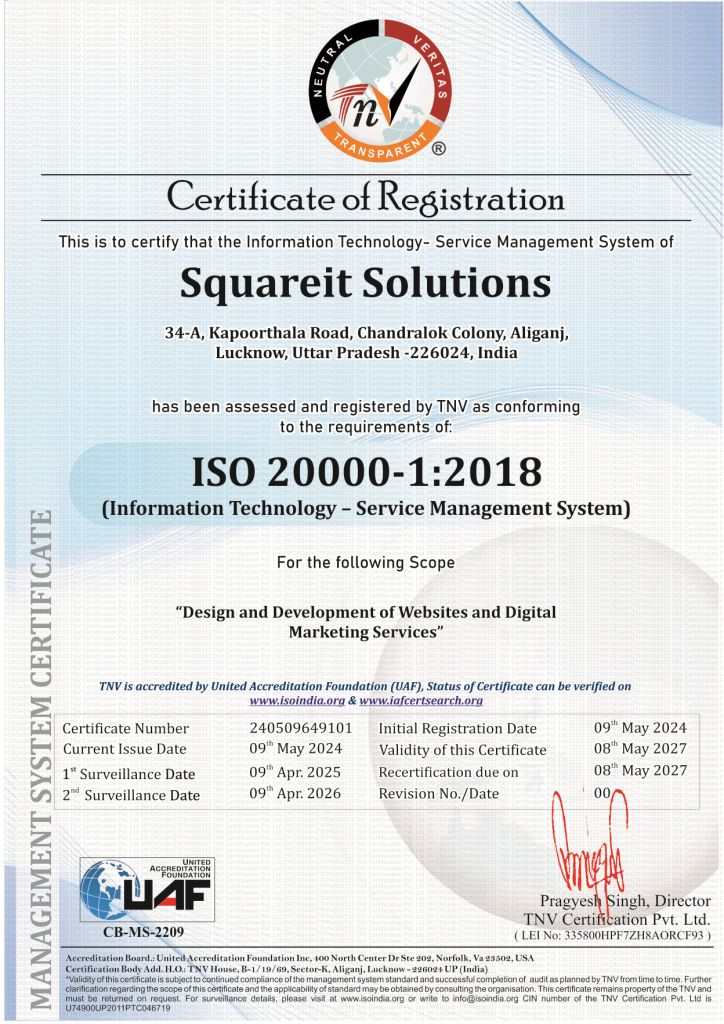
If you want to turn clicks into predictable revenue, Squareit Solutions has the expertise you need – check them out to see how they can grow your business.
FAQs
1. What is the best Facebook Ads strategy for small businesses?
The best strategy includes proper targeting, funnel-based campaigns, strong creatives, and continuous optimization using data.
2. How can Facebook Ads help small businesses grow?
Facebook Ads help businesses reach targeted audiences, generate leads, increase sales, and improve brand visibility.
3. What is Facebook Ads optimization?
It is the process of improving ad performance by analyzing data, testing creatives, refining targeting, and reducing costs.
4. Are Facebook lead ads effective?
Yes, Facebook lead ads are highly effective for capturing leads quickly, especially for service-based and local businesses.
5. What is the average cost per lead on Facebook Ads?
It varies depending on industry, targeting, and creatives, but optimization can significantly reduce cost per lead.
6. Why is retargeting important in Meta Ads strategy?
Retargeting focuses on warm audiences who already interacted with your brand, leading to higher conversion rates and better ROI.